Dual Pricing: Transparent, Legal, and Built toSave You Money
At Fare, we believe in full transparency, so you always know exactly what your customers are paying and what you’re saving.
Dual Pricing lets you offset credit card processing fees by offering two clearly labeled prices: one for cash and one for card. No tricks, no confusion. Just more control over your bottom line.
Dual Pricing is a transparent and legal pricing model that allows businesses to offer two separate prices: one for cash and one for credit card payments.
When a customer pays with a card, they see a small, clearly labeled adjustment—usually between 3% and 4%—which covers the cost of credit card processing. If they pay with cash, they avoid that fee entirely.
This model gives customers the choice, and gives you, the merchant, a chance to recover the cost of card acceptance without increasing your prices across the board.
Why Should Merchants Use Dual Pricing?
Traditional credit card processing fees silently eat away at your bottom line—costing most businesses thousands each year. Dual Pricing helps you take back control:
Reduce or Eliminate Processing Fees: With Dual Pricing, you can legally pass on processing costs to customers who choose to pay with credit or debit cards. This can effectively bring your net processing fees close to zero.
Keep Your Prices Competitive: Instead of raising prices for everyone to cover processing costs, you only apply a fee to those who use credit. This keeps your prices lower and more attractive to cash-paying customers.
Encourage Cash Payments: When customers see a price incentive for paying in cash, many will choose to do so—especially for smaller transactions. The more cash you take in, the less you pay in fees.
Drive Industry Change: Card brands and processors raise rates because businesses continue absorbing the costs. The only real way to push those rates back down is through mass adoption of cash incentive programs like Dual Pricing. When enough merchants stop blindly absorbing fees, the industry is forced to adjust.
How It Works at the Point of Sale
Cash and Card Prices Displayed: You display both the cash and card price on receipts, menus, or signage.
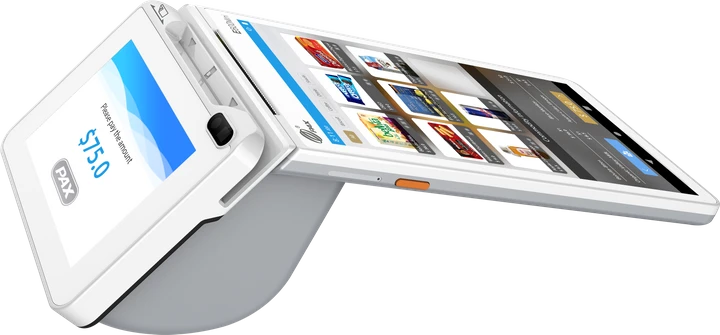
Automatic Fee Calculation: Your POS or terminal automatically calculates and applies the card price during checkout.
Clear Disclosure: Customers are clearly informed of the pricing difference before they pay—maintaining legal compliance and transparency.
Bottom Line
Dual Pricing isn’t just about saving money—it’s about fairness, transparency, and sustainability.
You shouldn’t have to raise prices just to pay someone else’s bank. By offering a choice, you protect your profit margin while giving customers the flexibility they deserve.